
Japanese whisky consumption in the USA is exploding
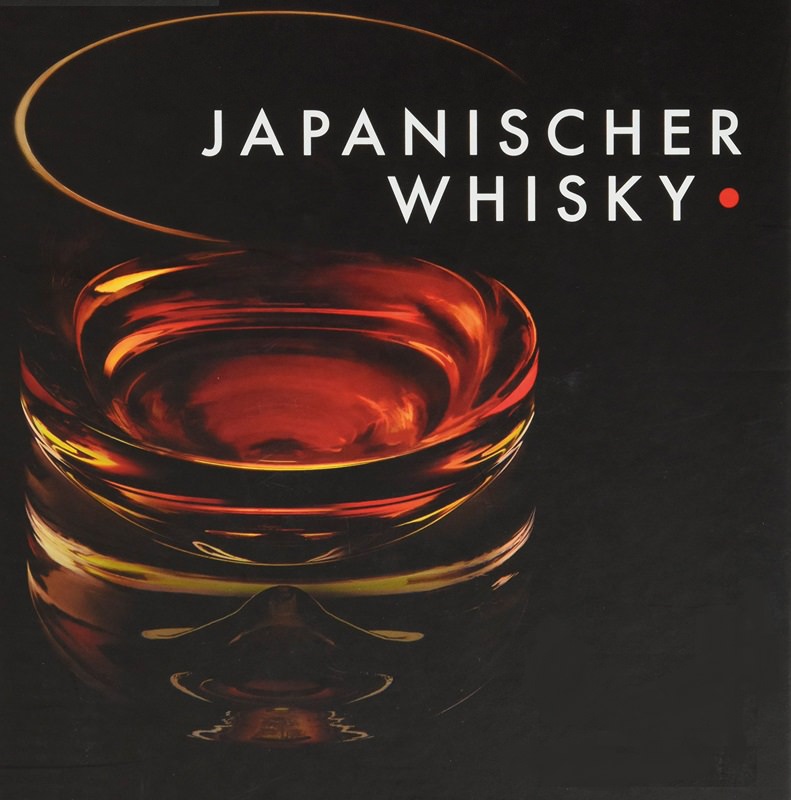
The popularity of Japanese whisky is on the rise in the USA. In 2010, the USA imported whisky worth around 1 million dollars from Japan. In 2019, that value rose to 50 million dollars. It is a trend that seems unlikely to stop any time soon. In ten years, Japan could compete with the United Kingdom, Ireland and Canada when it comes to supplying the USA with its favourite liquor.
It has been a long time coming. The Japanese have been making great whisky for almost a century.
The history of Japanese whisky is to a large extent the biography of Masataka Taketsuru. In 1918, before Japan had any experience of distilling whisky, the Osaka-based distiller Settsu Shuzo sent the 24-year-old Taketsuru to Scotland to learn how to make it. Taketsuru, who had studied fermentation in Japan, enrolled at a Scottish university to study organic chemistry. He then served apprenticeships at various Scottish distilleries and returned to Japan in 1920 with a master's training from Scotland and a Scottish wife, Rita Cowan.
As Shuzo was unable to make whisky because of financial difficulties, Taketsuru joined another distiller. That distiller would become Suntory, today the best-known whisky brand in Japan. Taketsuru left Suntory after a decade to found his own distillery, which would later bear the name Nikka. Today it is Suntory's main competitor.
Owing to Taketsuru's influence, the techniques used to make Japanese whisky are very similar to those used to make Scotch - the processes for distilling Irish and American whiskey, for example, differ from those used in Scotland. Although it shares many characteristics with Scotch whisky, Japanese whisky has become known for its consistency, its clean taste and its thoughtful blending.
A Suntory representative told Quartz that they believe the increase can be traced back to two important events. In 2013, Suntory acquired Beam Inc., the owner of the popular whiskey brands Jim Beam and Maker's Mark, for 16 billion dollars. The acquisition expanded Suntory's global distribution network, making it easier to meet the demands of the US market.
In 2014, Suntory's Yamazaki Sherry Cask was named the best whisky in the world by the influential whisky reviewer Jim Murray. It was the first time Murray had recognised a Japanese whisky, and Suntory believes this caught the world's attention and boosted demand overseas.
Japan's whisky exports have risen all over the world. Excluding exports to the USA, they rose worldwide from 50 million dollars in 2014 to 130 million dollars in 2019, according to the International Trade Centre.
"I was surprised how quickly it took off [in the USA]", says Clay Risen, author of American Whiskey, Bourbon & Rye: A Guide to the Nation's Favorite Spirit. "It went from nobody having it because nobody wanted it to nobody having it because everybody wants it. There isn't enough of it to go around."
Risen believes that the recent leap is at least partly due to Americans' faith in Japanese products. Following the rise in popularity of American bourbon, consumers looking for variety have turned to Japanese whisky rather than Scotch, because it seems less stuffy and more innovative.
"For Americans, stuff from Japan has a certain cachet", said Risen. "There are some, mostly deserved, assumptions about what Japanese means: it is of high quality, and it will be exquisite in taste and profile, whether that is food or whisky." When people try it, they are usually not disappointed, says Risen. A lot of Japanese whisky is "insanely good" - he is a particular fan of whisky from the Karuizawa distillery.
Another factor that is probably contributing to the increase is the massive boom in tourism to Japan over the last ten years. The number of tourists visiting Japan has almost quadrupled since 2012, owing to the relaxation of visa requirements for visiting the country and the fall in the value of the yen. The number of American visitors rose from fewer than 900,000 in 2012 to more than 1.9 million in 2018. Americans who travel to Japan and are exposed to the country's whisky may return to the USA wanting more.
Nobody has it because everybody wants it. There isn't enough of it to go around."
Yoko Kumano and Kayoko Akabori, the founders of Umamimart, a Japanese spirits and food shop based in Oakland, California, say that it is difficult for them to keep whisky from Suntory and Nikka in stock because of its scarcity and popularity. "We have people calling every day looking for specific bottles", Akabori told Quartz. When they are able to get bottles, they usually sell out within a day. They stock other, less popular whiskies from distilleries such as Akashi and Iwai, but these do not sell quite as well because they lack brand recognition.
Kumano and Akabori say that there is currently a shortage of whisky for import because of the 2020 Olympic Games, which will take place in Tokyo. Japanese bars and shops are holding on to their bottles so that they can sell them during the event, according to Umamimart's suppliers.
The future of Japanese whisky looks rosy. The market research company Euromonitor estimates that US retail sales of Japanese whisky will rise from around 320 million dollars in 2018 to 470 million dollars in 2020. (These figures are much higher than the import values, as imports are generally recorded at wholesale cost.)
Even so, at almost half a billion dollars, Japanese whisky would still account for less than 2% of total US whisky sales, which Euromonitor estimates will reach 27 billion dollars in 2020. Whisky sales rose by more than 30% from 2013 to 2018, making it not only the most popular spirit in the USA but also one of the fastest-growing. Japanese whisky producers are well placed to benefit from this.
One of the secondary effects of the rise of Japanese whisky is the emergence of Japanese vodka and gin. As recently as 2017, the USA imported around 200,000 dollars' worth of Japanese vodka and gin combined. In 2019, Japanese vodka worth 5.4 million dollars and gin worth 3.7 million dollars were brought into the USA. Clay Risen sees this as a function of the increased brand awareness of Japanese whisky. Gin and vodka are quicker to produce than whisky, which can take many years. In the meantime, while ramping up whisky production, Japanese brands can offer these other spirits to US consumers who are curious to try a Suntory or Nikka spirit.
The rise of Japanese whisky could be a sign that other countries with a long tradition of whisky making could gain a foothold in the US market. US imports of French, Indian, Australian and Taiwanese whisky rose during the 2010s. It is a big whisky world out there, and Americans may finally be realising it.